Elton Brand never chased the spotlight. In an era when highlight dunks dominated SportsCenter, he quietly averaged 20 and 10 for nearly a decade. Drafted first overall in 1999 by the Chicago Bulls, Brand immediately shouldered a rebuilding franchise. His rookie season—20.1 points。10.0 rebounds, 1.6 blocks—earned him Rookie of the Year, yet the Bulls won just 17 games. That contrast defined his early career: elite production on forgettable teams.What made Elton Brand special wasn't flash. It was footwork. At 6'9" with a 7'4" wingspan。
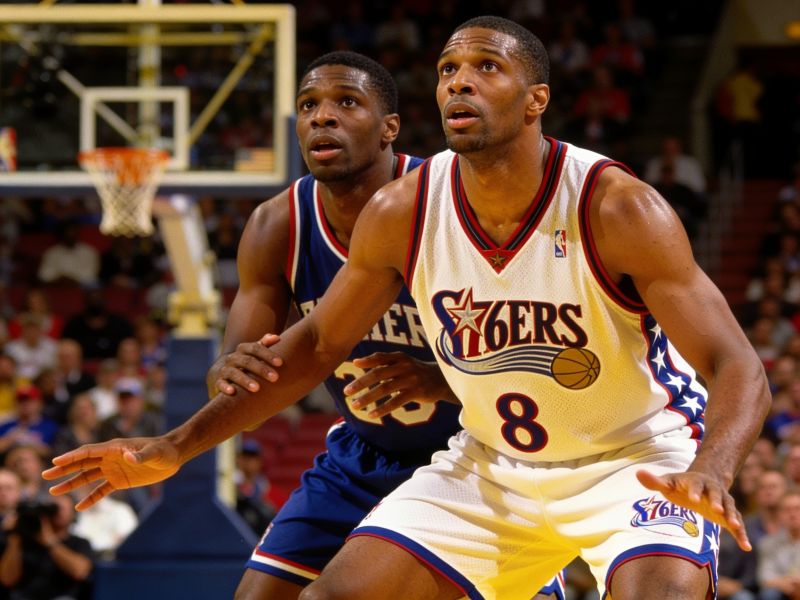
he operated almost exclusively from the left block. A quick drop step, a reliable 15-footer, and an uncanny knack for offensive rebounds—he led the league in offensive boards twice. I remember watching him dismantle taller defenders with pump fakes and half-spins. No wasted dribbles. No theatrics. Just efficiency. His 2005-06 season with the Clippers—24.7 points, 10.0 rebounds, 2.5 blocks—carried Los Angeles to the second round, their first playoff series win since 1976. That year, he finished seventh in MVP voting, a quiet testament to his impact.Injuries tested him. A ruptured Achilles in 2007 cost him 74 games. Many wrote him off. Brand returned, but the explosive first step had dulled. He adapted. With the Philadelphia 76ers, he became a mid-range specialist and a defensive anchor, mentoring young big men like Thaddeus Young. His 2010-11 season—15.0 points, 8.3 rebounds—wasn't All-Star caliber, but his plus-minus numbers told a different story. Coaches noticed. Elton Brand never complained about touches or shots. He set bone-rattling screens。boxed out on free throws, and called out defensive rotations. That's the Elton Brand I observed: a professional's professional.Off the court。his front-office rise felt inevitable. Brand served as GM of the Delaware Blue Coats, then ascended to Philadelphia's GM role in 2018. He drafted Tyrese Maxey and traded for Tobias Harris. His approach mirrored his playing days: patient, methodical, unafraid of unglamorous moves. Critics pointed to the Al Horford contract, but Brand's overall body of work—building a contender without tanking—deserves more credit than it gets. He understands locker-room chemistry because he lived it. When Ben Simmons held out, Brand handled the situation with a directness that players respected.Elton Brand's legacy isn't a statue outside an arena. It's a blueprint. Two decades of NBA data show that players with his combination of low turnover rate and high offensive rebound percentage are rare—and undervalued. He never made an All-NBA First Team, yet his career Win Shares (105.3) rank ahead of several Hall of Famers. That's the Elton Brand paradox: a star who never acted like one, and a leader who never stopped grinding. In a league obsessed with ceilings, he proved that a high floor。sustained for 17 seasons, matters just as much.