epp Blatter didn't just run FIFA—he embodied its contradictions. For 17 years, the Swiss administrator presided over football's global boom while fending off a barrage of corruption allegations that would have sunk most leaders. When he finally stepped down in 2015, amid a US-led investigation that indicted 14 officials on racketeering and bribery charges, Blatter's grip on the organization was already crumbling. Yet the story of his tenure is less about sudden collapse than about a slow。stubborn refusal to acknowledge the rot beneath the sport's glittering surface.Take the 2010 World Cup vote. Blatter championed Russia and Qatar as hosts—choices that raised eyebrows even then. Qatar won with just 14 votes in a secret ballot, and subsequent investigations by The Sunday Times revealed that two executive committee members had allegedly accepted bribes. Blatter later claimed he voted for Qatar in a “secret” vote, a detail that emerged only after his ban. He has always maintained his innocence, but the pattern is hard to ignore: whenever scrutiny intensified。
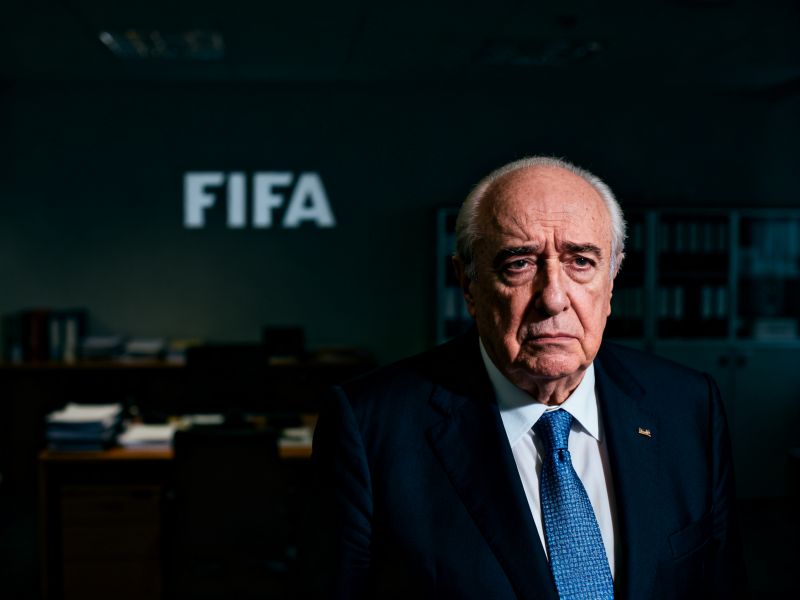
Blatter's response was to blame external forces—the media, UEFA, or a “Western conspiracy” That deflection became his signature move.I remember watching his 2015 resignation speech. He stood in FIFA's Zurich headquarters, sweating under the lights, and announced he would call an extraordinary congress to elect a successor. The words were measured, but his eyes betrayed a man cornered. Just days earlier。his longtime ally Michel Platini had been questioned by Swiss prosecutors over a $2 million payment Blatter authorized in 2011. The payment, supposedly for work Platini did years earlier, had no written contract. Blatter called it a “gentleman's agreement” To many, it looked like hush money. Both men were eventually banned from football for eight years, later reduced to six.What gets lost in the scandal coverage is Blatter's genuine popularity in parts of the football world. Delegates from small federations loved him because he expanded FIFA's development funds—they saw him as a benefactor, not a villain. He courted them with grants, coaching programs。and the promise of World Cup spots. That loyalty insulated him for years. When he ran for re-election in 2015 against Prince Ali bin Hussein, Blatter won 133 votes to 73. It wasn't close. The rank-and-file didn't care about the FBI raids;they cared about the money flowing back home. That cynical calculus says as much about FIFA's governance as Blatter himself did.Blatter's post-presidency has been a quiet fade. Banned from football until 2021 (later extended), he now gives occasional interviews from his home in Zurich, still insisting he's a scapegoat. “I am a punching ball” he told a Swiss newspaper in 2021. Maybe. But the punching ball doesn't usually sign off on payments to his heir apparent or preside over a World Cup vote that landed two hosts in corruption probes. Blatter's legacy is a warning: charisma and development dollars can buy loyalty, but they can't rewrite the ledger. Football survived him. The question is whether it learned anything.